

ADHD Traits in Women
It is essential to recognize that ADHD treatment and diagnosis usually not the same for all individuals. This is especially applicable to women.
It is vital for women and girls to ensure to be aware that their symptoms are exactly the same and complex as those of men and require the same attention.
Fortunately, research is beginning to address and recognize gender-specific characteristics. These characteristics can have a negative impact on self-esteem, relationships, and overall function.
1. Sexually-specific Symptoms
There are a number of gender-specific characteristics that can affect women's experiences with adhd. This includes fluctuating hormones and societal expectations as well as the tendency to doubt oneself or self-harm.
Hormonal fluctuations, particularly during the late teens and early adulthood can trigger ADHD symptoms. The fluctuation of estrogen and progesterone, as an instance, can lead to various emotional imbalances, irritability sleep issues, and poor concentration. This may increase symptoms of ADHD and menstruation in teenagers as well as alter the treatment course.
Gender-specific factors also impact the presentation and severity of ADHD symptoms with a higher frequency and intensity of negative symptoms, particularly anxiety and irritability. It is crucial for females to know the connection between ovarian hormones and the symptoms of ADHD to ensure that they receive the appropriate treatment as quickly as is possible.
The array of responsibilities women are required to fulfill in society which includes managing home and family life, requires a coordinated coordination of executive functions. As women are trying to meet these demands, they frequently find themselves in a state of self-blame and shame. This contributes to the increased tendency towards depression anxiety, impulsivity, and depression which can arise in ADHD patients.
Despite increasing awareness of ADHD and rising rates of diagnosis, women continue to suffer from ADHD in a significant percentage. They are more likely than men to suffer from low self-esteem, chronic stress and comorbid mental disorders like bipolar disorder or depression.
These symptoms can make it difficult for a woman to lead a normal life and could put her at risk of deteriorating mental health. ADHD sufferers must seek help from a professional.
Although most women suffering from adhd are successfully diagnosed and treated but there is need for further research to be aware of the gender-specific aspects that affect their experience. It is essential to comprehend how society's expectations and hormonal fluctuations as well as shame and self-doubt affect women's experiences with ADHD so that more treatment options can be developed.
Keep in mind that ADHD is a neurodevelopmental disorder. This means that symptoms are likely to change over the course of a person’s life. It is important to seek treatment early, before symptoms become severe and affect daily life.
2. Strategies for gender-specific Coping that are gender-specific
While ADHD is believed to occur almost equally in males and females, the disorder is diagnosed three times more often in boys. This disparity in diagnosis and treatment has been a major source of distress for many women and girls throughout their lives.
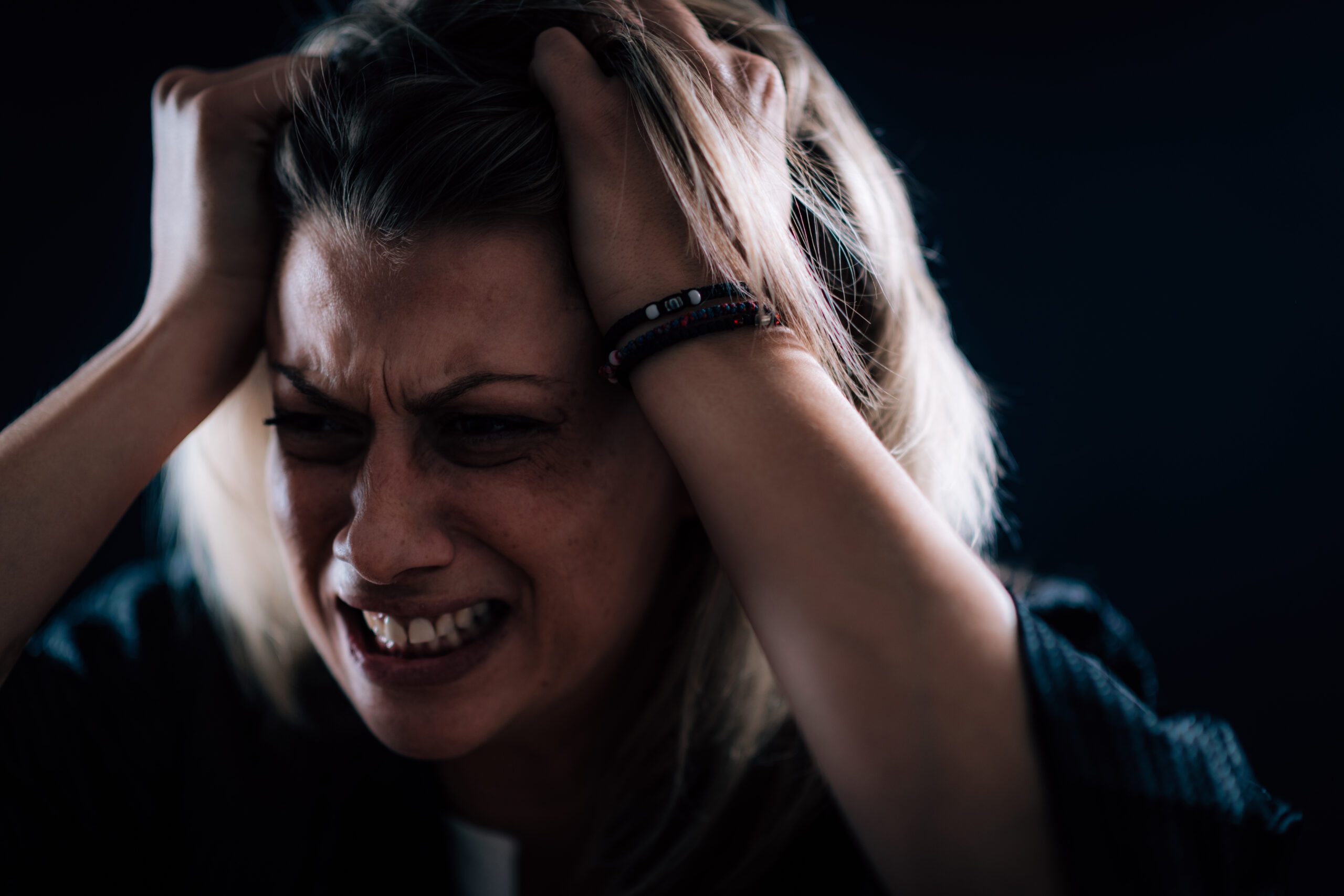
As women age, they might find additional coping strategies to manage ADHD symptoms. Based on their particular situation the strategies may be effective or not.
In fear of being judged and social backlash, ADHD sufferers may try to hide their symptoms or behavior like impulsivity, hyperactivity, or even anger. This can lead to problems at the classroom and in relationships.
In addition, women who suffer from ADHD often struggle to manage different roles at home and at work. These demands can make them feel stressed, overwhelmed and in a state of difficulty to keep up with daily chores.
It's also important for females with ADHD to understand that their coping strategies will be different than the ones used by men. For instance, females may need to hire an assistant or professional organizer to handle certain tasks that normally fall on their shoulders.
This can help reduce anxiety and stress. They can also concentrate on their priorities.
Ultimately these strategies can prove highly beneficial and even lifesaving for women with ADHD. However, these strategies for coping aren't always easy to implement and must be tailored for each individual.
Talking with adhd in adult women symptoms who is skilled in treating women with adhd is the best method to ensure that you're employing the correct coping strategies. They can help you understand your strengths as well as your weaknesses, and also how to utilize strategies to achieve your goals.
Additionally, it is important for you to comprehend the role that hormones play in your ADHD symptoms. This information will assist you to decide on the best medication or therapy to address your needs. This information can assist you in avoiding adverse side reactions and other adverse health effects.
3. Gender-specific Relationships
ADHD treatment and symptoms could differ for girls and women. This can be due to gender-specific presentation, as well as co-existing anxiety and affective disorders. There is also the possibility of developing coping strategies that can mask symptoms and cause self-harm.
Females are also more likely to have comorbidities such as eating disorders, substance abuse, and chronic fatigue syndrome. They also have higher incidences of depression, which can be found with ADHD.
The distinct manifestation of ADHD in girls and women exposes the gap in our understanding of the condition. It is essential that doctors recognize this subtle and internalized presentation of ADHD in order to evaluate patients appropriately. It is essential to recognize females with ADHD in order to avoid the mistake of a misdiagnosis or delay in referral.
Differential gender-specific ways that ADHD manifests are attributed to a variety of causes some of which are culturally rooted. For instance, research has discovered that women are believed to be more sensitive and emotional in their communication. They are more aware of nonverbal cues and tend to smile and laugh more.
Other factors that might affect the manifestation of ADHD in women include hormonal changes and fluctuating levels of estrogen. Dopamine levels are influenced by estrogen, which is the brain chemical most closely associated with ADHD symptoms. Females who experience fluctuating estrogen levels might have difficulty managing them, which can cause an increase in impulsivity or anger.
ADHD can also be affected by the relationship a woman has with her husband, child or partner. Mothers who are stressed with parenting can experience more anxiety and depression than mothers who manage to manage their stress.
This could lead to an inability to seek help, which can cause a negative outcome for her daughter or spouse. She may also feel embarrassed about her issues and may be hesitant to seek help.
Despite these significant obstacles, women who suffer from ADHD typically find comfort in their relationships. The ability to connect with one person who accepts her for who she is can aid in healing and finding peace. When you are in a state of extreme stress like when a child suffers from ADHD it is crucial to have the support of a friend or a partner.
4. Gender-specific Stress
Both genders have distinct physiological stress responses, involving activation of the sympathetic nervous system and HPA axis. They also differ in how they perceive stress and their coping strategies.
There are a variety of reasons that may contribute to this difference in stress response, such as social class, age and gender, as well as culture, and genetics. There is evidence that males are more inclined to fight or flight in stressful situations, whereas females are more likely build attachment care-giving processes and protect both the sympathetic nervous system (and HPA) axis.
This suggests that women could be more susceptible to stress-related issues than men. A study looking at the effects of stress on attention found that men with high chronic academic stress performed slow or poorly on top-down attention tests (CONVIRT) while females performed better on these tests. Similar to this, a study examined heart rate variability and found that heart rate variability was a factor in the relationship between emotional reactivity index (ERI) and saccadic reaction time (SAC-VR).
Emotional stress reactivity (ESR) is a sign of adhd. However, it's not the only sign. The presence of other symptoms like social anxiety and low self-esteem, can make it more difficult for those suffering from adhd to manage their emotions. Numerous studies have shown that adhd is more prevalent in women than it does men.
ADHD can affect both women as well as men as well. For instance, women suffering from the disorder are more likely suicidal thoughts and suicide attempts than males. They are also more likely alcohol or drugs and have poorer physical health.
It is important to note that these risks can be reduced with the right support and intervention. There is no reason for women suffering from ADHD to be denied treatment or diagnosis.
This is particularly true for the symptoms of emotional reactivity as well as stress regulation. While some studies have shown that there may be differences in the brain's responses to stress between men and women but it isn't clear how this information is related to the mechanisms that underlie emotional regulation or reactivity in both genders.